
Digital wireless audio · connecting smart spaces
Language / Select Language
Home
About Us
Product Showcase
News
Engineering Cases
Service Support
Solutions
Talent Recruitment
SOYO Mall
Contact Us
Leave a message

SOYO Technology Releases New IP Two-Way Computing Audio Technology -- Promoting Network Audio Interconnection and Making the Internet of Everything Audio a Reality
Summary : Recently, SOYO Technology Development Co., Ltd. officially released high-concurrency IP bidirectional computing audio transmission technology and a series of solutions in Shenzhen. With IP networks, bidirectional audio transmission, and audio computing at its core, this technology addresses the audio connection needs across languages, regions, platforms, and terminals, and is dedicated to providing a unified, open, and scalable audio technology foundation for IP broadcasting systems, conference systems, commercial background music, home background music, smart terminals, smart home appliances, and network audio systems.
2026-09-18
Recently, SOYO Technology Development Co., Ltd. officially released high-concurrency IP bidirectional computing audio transmission technology and a series of solutions in Shenzhen. With IP networks, bidirectional audio transmission, and audio computing at its core, this technology addresses the audio connectivity needs across languages, regions, platforms, and terminals, and is dedicated to providing a unified, open, and scalable audio technology foundation for IP broadcasting systems, conference systems, commercial background music, home background music, smart terminals, smart home appliances, and network audio systems.
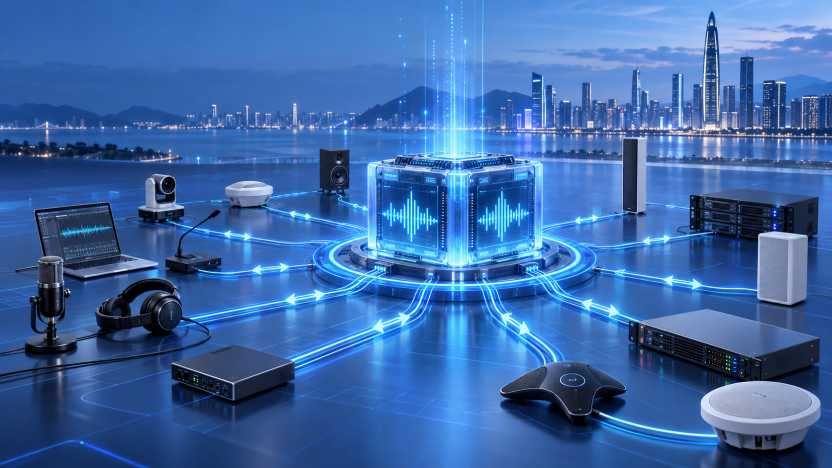
Figure 1: SOYO Technology Shenzhen ReleaseIP Bidirectional Computing Audio Technology
This release signifies that SOYO Technology, building on traditional digital wireless audio technology, has further integrated audio acquisition, transmission, processing, control, and intelligent applications into the IP network. Audio is no longer merely played unidirectionally from one device to another; instead, it can be transmitted bidirectionally, uniformly scheduled, processed in real time, and intelligently distributed across different areas, platforms, and terminals, providing a new technological pathway for the "Internet of Everything Audio."
I. From transmitting sound to computing and managing sound
Traditional networked audio systems are usually based on one-way broadcasting, playback in fixed zones, or device connections within a local area network. With the development of artificial intelligence, cloud computing, the Internet of Things, and the mobile Internet, schools, enterprises, venues, communities, households, and public service institutions have placed higher demands on audio systems.
Users not only need "to be able to hear," but also need to achieve two-way calling, remote intercom, real-time conferencing, zone broadcasting, background music, emergency notifications, voice interaction, real-time translation, and multi-terminal collaboration. Different systems also need to share audio resources, accept unified control, and perform flexible scheduling based on users, zones, services, and permissions.
The IP bidirectional computing audio proposed by SOYO Technology is built on the foundation of IP audio transmission, integrating capabilities such as audio codec, routing and switching, mixing, noise reduction, echo cancellation, permission control, device management, and intelligent voice processing into a unified technical architecture. Through the collaboration of edge devices, audio terminals, network platforms, and cloud services, sound can be collected, processed, transmitted, invoked, and managed according to business needs.
This change has gradually transformed network audio from a single playback tool into a connectable, computable, manageable, and scalable digital foundational capability.
II. High-Concurrency Two-Way Audio Supports Large-Scale Connections
In application scenarios such as campuses, industrial parks, chain businesses, conference centers, museums, hotels, residential areas, and urban public spaces, networked audio systems often need to connect a large number of terminals simultaneously and handle multiple tasks such as broadcasting, intercom, conferencing, background music, and emergency communications.
SOYO Technology High-Concurrency IP Two-Way Audio Transmission Technology adopts a system architecture oriented toward networked deployment, enabling unified management of audio terminals, zones, users, services, and permissions according to the needs of different projects. The system not only supports the distribution of audio content to multiple terminals, but also supports terminal audio return, two-way intercom, and multi-party communication, providing a technical foundation for large-scale networked audio connections.
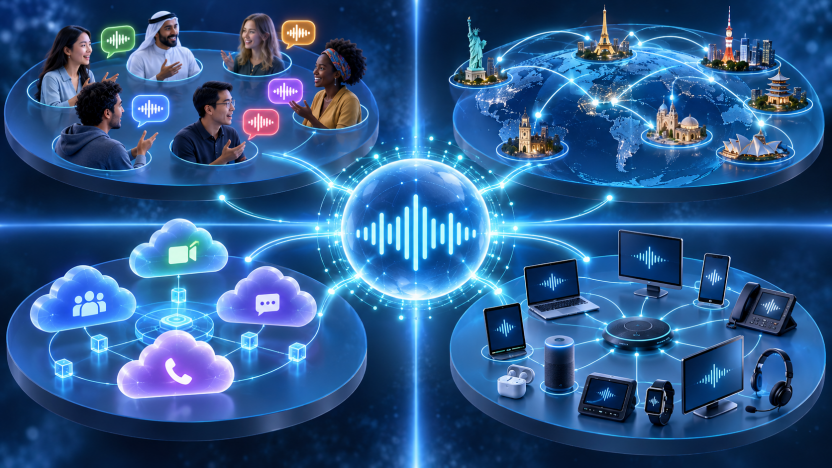
Figure 2. High-Concurrency IP Two-Way Computing Audio System Architecture
Under a unified architecture, IP broadcasting, two-way intercom, conference communication, background music, remote paging, and intelligent voice services can be combined according to application needs, reducing the complexity caused by separate construction, duplicate wiring, and independent management of various audio systems.
III. Addressing cross-language, cross-region, cross-platform, and cross-terminal needs
The series of solutions released by SOYO Technology this time focuses on the "four-cross" needs in audio applications.
l Cross-Language
By integrating speech recognition, machine translation, speech synthesis, and AI speech processing capabilities, the system can provide real-time machine translation and multilingual audio services for international conferences, cross-border collaboration, cultural and tourism interpretation, public services, and multilingual information dissemination.
The language spoken by the user can be recognized, translated, and synthesized into speech, then converted into the target language and sent to the designated terminal, establishing a more convenient audio communication channel for users of different languages.
l Cross-regional
With the help of IP networks and cloud management capabilities, audio services can break through the limitations of a single room, building, or campus, and be transmitted and scheduled across different floors, different campuses, different cities, and even different countries and regions.
For chain businesses, group enterprises, cross-regional campuses, hotels, and public service institutions, the headquarters can uniformly manage IP broadcasting, background music, and audio terminals across different regions, and can also perform independent playback and hierarchical control according to regional needs.
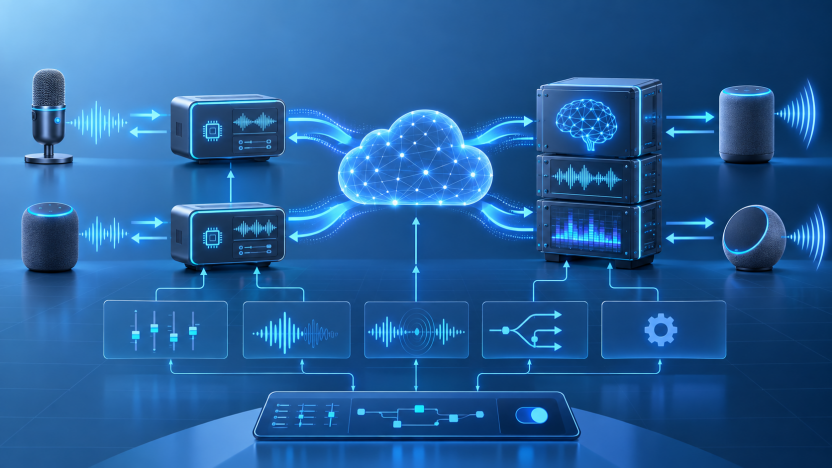
Figure 3. Cross-language, cross-region, cross-platform, and cross-terminal audio interconnection
l Cross-platform
IP two-way computing audio technology can connect with business management platforms, conference platforms, broadcasting platforms, IoT platforms, mobile applications, and third-party systems according to actual project needs.
Through unified interfaces and permission management, audio capabilities can be invoked as basic services by different businesses, thereby reducing information silos among IP broadcasting systems, conference systems, background music systems, and intelligent terminals.
l Cross-terminal
The system provides audio connectivity capabilities for IP speakers, network broadcast terminals, conference terminals, microphones, smartphones, tablets, computers, smart home appliances, robots, and other IoT devices.
Terminals of different forms can receive or send audio based on identity, location, scenario, and business permissions, allowing sound to flow in an orderly manner among more devices and providing unified network audio support for smart terminals and smart home appliance audio systems.
IV. Adding Bidirectional and Intelligent Capabilities to IP Broadcasting Systems
Traditional IP broadcasting systems are mainly used for scheduled playback, zone broadcasting, background music, and emergency notifications. Based on IP bidirectional computing audio technology, networked broadcasting systems can further enable terminal audio return, remote intercom, precise paging, cross-regional broadcasting, and multi-level management.
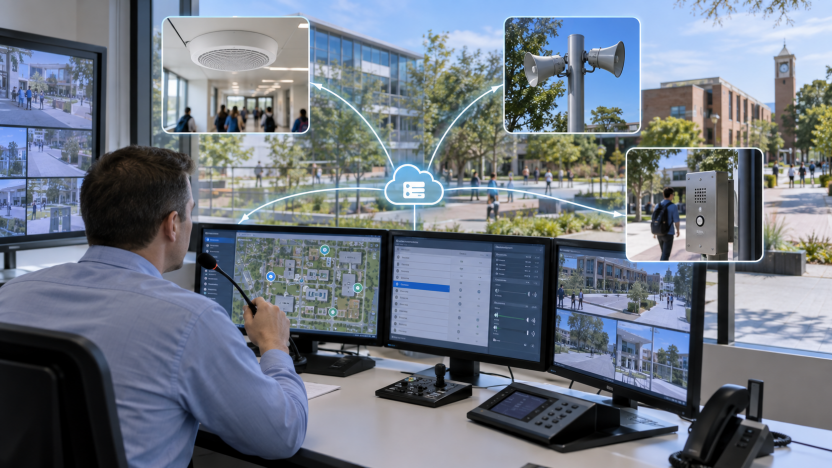
Figure 4IP Broadcast Two-Way Intercom and Zone Management System
In campuses, hospitals, industrial parks, communities, fire emergency, and public service scenarios, administrators can not only publish information to designated areas but also understand on-site conditions through terminals and engage in two-way communication. The broadcast system has transformed from a one-way playback tool into a network audio platform that combines broadcasting, intercom, dispatch, and emergency communication capabilities.
By integrating with AI voice capabilities, the IP broadcast system can also extend functions such as speech recognition, text-to-speech, multilingual broadcasting, and intelligent content generation, providing more flexible audio services for smart campuses, smart parks, and public emergency management.
V. Promoting Cross-Space and Cross-Platform Collaboration in Conference Systems
In scenarios such as enterprise meetings, government meetings, remote work, training and teaching, and transnational communication, conference systems need to handle complex tasks such as multi-person speaking, audio return, remote access, device management, and multilingual communication.

Figure 5. Cross-language intelligent conferencing and remote conferencing system
Crown TechnologyIP bidirectional computing audio technology can provide network audio transmission and management capabilities for wired conferences, wireless conferences, remote conferences, and hybrid conferences, enabling conference rooms, mobile terminals, and remote participants to conduct audio interaction under a unified architecture.
Combined with real-time machine translation capabilities, the system can also provide speech recognition, real-time translation, and target-language playback services for cross-language conferences, reducing communication barriers among participants who speak different languages and expanding the application scope of intelligent conference systems.
VI. Empowering Centralized Operation of Commercial Background Music
Shopping malls, hotels, restaurants, chain stores, office buildings, exhibition halls, and cultural tourism projects typically need to play different content by area, time, and business scenario. Traditional commercial background music systems are prone to issues such as scattered equipment, difficulty in updating content, and complex cross-store management.
Relying on network audio and cloud management platforms, commercial background music systems can uniformly manage different stores, floors, and areas, and set playback schedules based on business hours, customer flow scenarios, brand activities, and spatial functions.
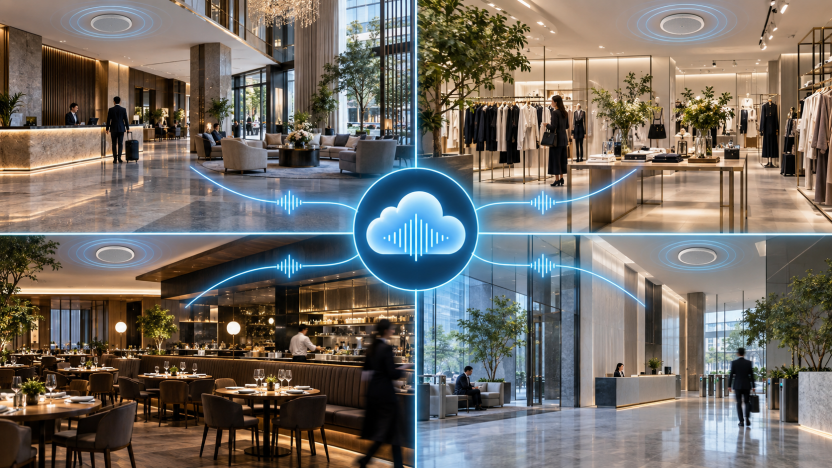
Figure 6, Commercial Background Music Cloud Centralized Management System
The headquarters can remotely update music and notification content, while branch offices can perform local management within their authorized scope. In the event of an emergency, the background music system can also switch to notification or emergency broadcast mode according to preset permissions, enabling commercial background music, information publishing, and emergency audio to work in coordination.
VII. Expanding Applications in Home Background Music and Smart Home Appliance Audio
In home scenarios, user demand for whole-house background music, room-based zone playback, home voice interaction, and multi-device linkage continues to grow.IP bidirectional computing audio technology can provide multi-room audio distribution, independent zone control, and terminal collaboration capabilities for home background music systems.
Different spaces such as the living room, bedroom, study, kitchen, and courtyard can play the same content or play independently according to the needs of family members. Mobile phones, TVs, smart speakers, home central control panels, and other smart home appliances can be connected under a unified network audio architecture.
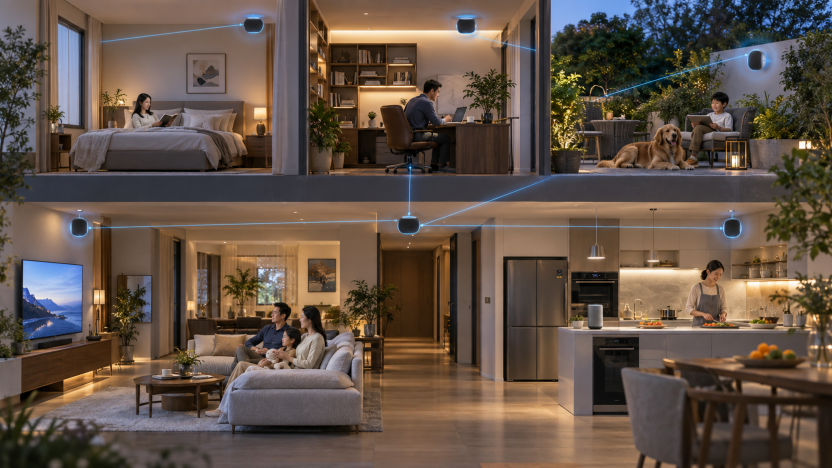
Figure 7. Audio Interconnection Between Home Background Music and Smart Home Appliances
With appropriate permissions and security mechanisms in place, home audio terminals can also extend to room intercom, voice messaging, home paging, and intelligent voice assistant functions, enabling the home background music system to evolve from a music playback device into a whole-home audio interaction platform.
VIII. Building an Open Technical Foundation for Networked Audio
Crown Standard Technology believes that future audio systems will not remain in the form of mutually independent broadcasting, conferencing, background music, and sound equipment for long, but will gradually form foundational audio capabilities that can be invoked by different devices, platforms, and businesses.
Under this trend, device connectivity is only the first step. The system also needs to address issues such as high-concurrency transmission, bidirectional interaction, audio quality, permission control, cross-regional management, platform interfaces, terminal compatibility, and data security.
The release of SOYO Technology's high-concurrency IP bidirectional computing audio transmission technology and series of solutions is precisely intended to build an audio foundation connecting devices, networks, platforms, and applications, enabling IP broadcasting systems, conference systems, commercial background music systems, home background music systems, network speakers, smart terminals, and smart home appliances to conduct audio interaction according to unified rules.
IX. Continuously Promote the Integration of Digital Wireless Audio and IP Computing Audio
SOYO Technology Development Co., Ltd. was established in 2005. It is a national-level high-tech enterprise and a specialized and sophisticated enterprise, long dedicated to the research, development, and industrialization of digital wireless audio technologies such as 2.4G, 5.8G, Bluetooth, UHF, VHF, and WiFi, as well as IP computing audio, IoT control, cloud computing, and AI voice technologies.
The company's related technologies and products serve fields such as smart education, intelligent conferencing, IP broadcasting, smart cultural tourism, fire emergency response, healthcare, and smart communities, and can provide customers with overall solutions ranging from digital wireless audio terminals, network audio devices, and embedded software to cloud-based management platforms.
In the future, SOYO Technology will continue to advance the integration of digital wireless audio, IP networks, cloud platforms, and artificial intelligence technologies, improving capabilities for high-concurrency bidirectional audio transmission, cross-regional audio scheduling, multilingual real-time translation, and multi-terminal interconnection, providing stable, open, and scalable technical support for the network audio industry.

Figure 8. Network Audio Interconnection and the Internet of All Audio
From the digitization of sound to the networking of audio, and then to the computational and intelligent evolution of audio, SOYO Technology hopes to work with industry partners to promote interconnectivity among IP broadcasting, conference systems, background music, smart terminals, and audio systems, gradually making the interconnection of all things audio a reality.